Fuji GFX100RF + Godox iT30Pro Flash
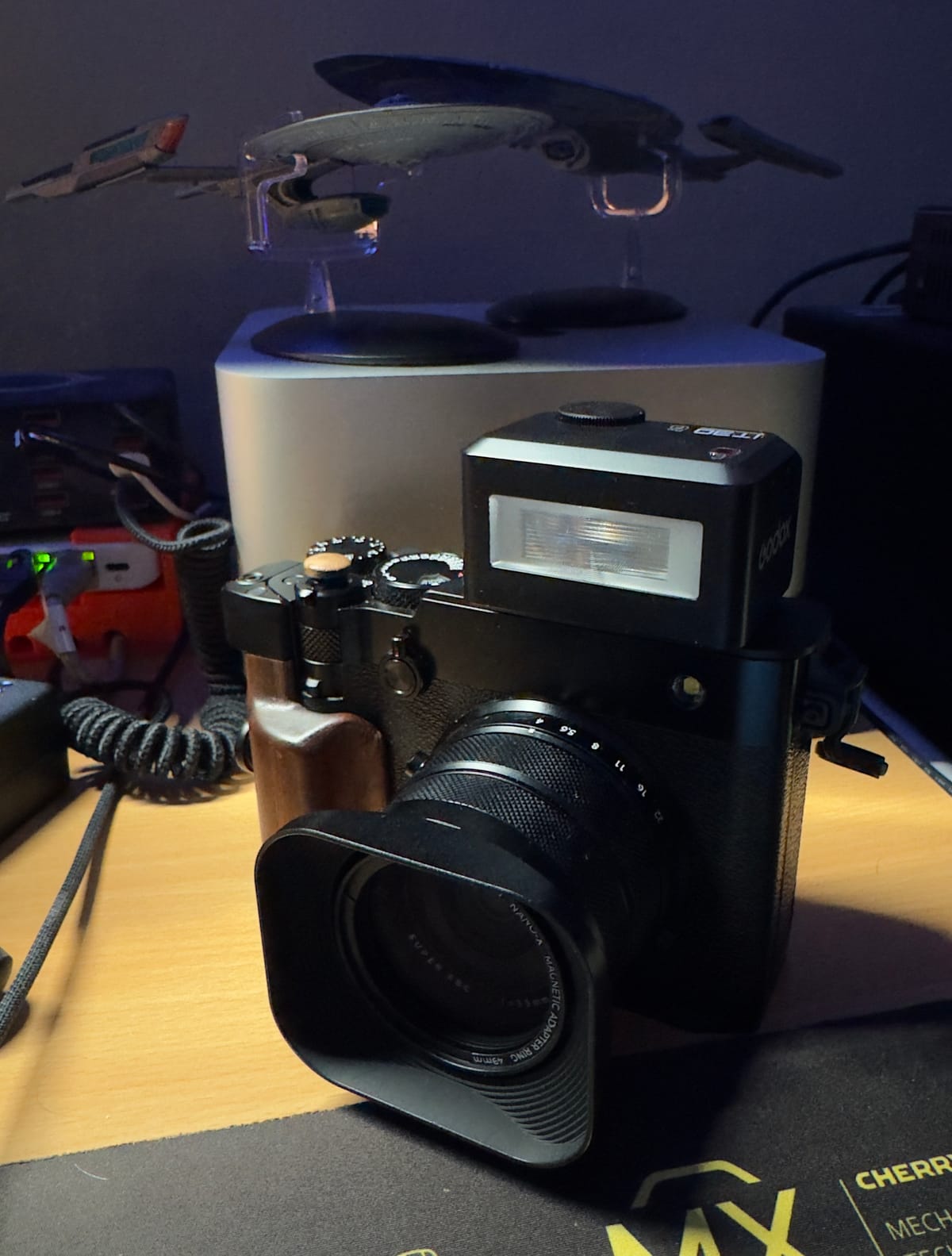
No camera system is perfect. Every single one of them has limits. What those limits are varies. Some are great at focusing on moving subjects. Others have great low-light capabilities. Many are generally good at most things, a jack-of-all-trades if you will. And like that fabled "Jack" they are a master of none. This is where you, the photographer, comes into play. By learning the limits of your camera you can produce better images with it than by just letting is sit at full auto mode like a smartphone. This is where additional kit also comes into play. In this case, a flash.
When Fuji introduced the X100 series of cameras they also introduced a tiny, fairly powerful, pocket flash called the Fujifilm EF-X20.
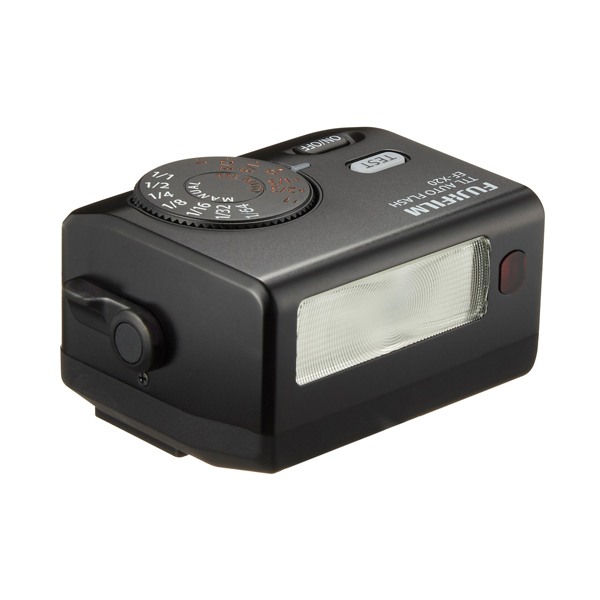
This was a great little TTL unit powered by two AA batteries with a GN of 20. It sat neatly atop the X100 series and also looked natural atop the XPro line as well. Sadly, the flash was quietly discontinued in 2018 with no formal announcement until 2023.
Enter the Chinese.
Since that pronouncement, several Chinese photo manufacturers have leapt in to fill the void with various manual and TTL flashes that more or less use this form-factor. Of all of them, the Godox iT30Pro is (at least in my opinion) the true spiritual successor to the Fujifilm EF-X20.
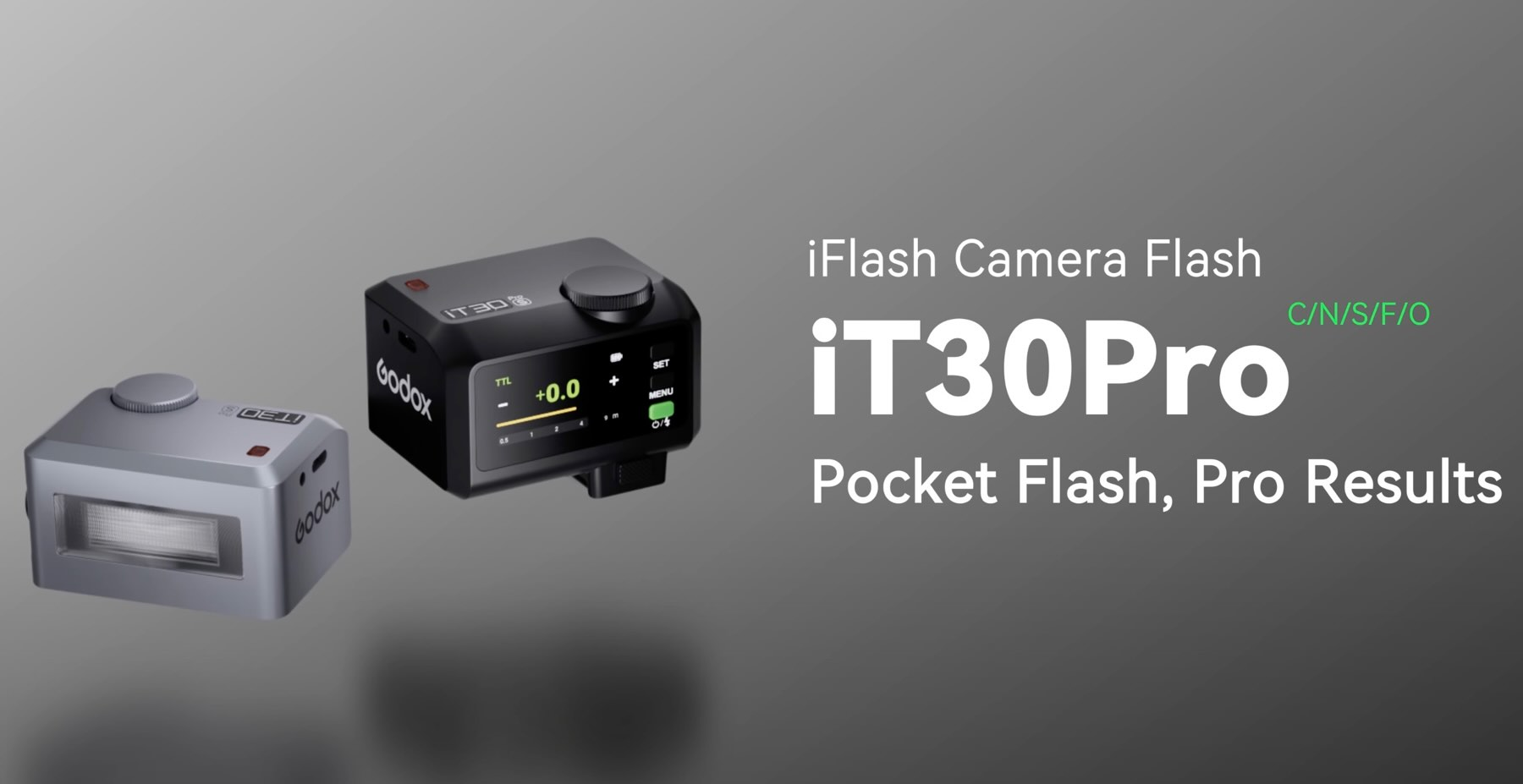
Godox took the design of the EF-X20 and modernized it. AA batteries were replaced with a USB-C rechargeable battery. The retro controls were replaced with an OLED touchscreen and the flash is fully integrated into the Godox wireless ecosystem. To top it off, the iT30Pro retails for $75 USD.
GFX Sensors + Flash = Things getting weird
A manufacturer like Godox will market its wares to as many platforms as possible, in this case, five. Canon, Nikon, Sony, Fuji and Olympus. In most cases, they do a pretty good job in the compatibility department. Other Godox flashes just slide on and integrate well.
But the GFX100RF is a bit of an odd duck in the Fuji lineup. It's the only GFX camera with a leaf shutter. Leaf shutters have the amazing ability to sync with flashes at any shutter speed. No High Speed Sync (HSS) needed. This makes leaf shutter cameras very adept at flash work.
The other bit of weirdness is the GFX sensors incredible sensitivity to light. I normally keep my Auto ISO range from base ISO all the way up to 6400 ISO. This allows for reasonable shutter speeds in my favorite genre: night street photography.

But sometimes lighting conditions need to be tweaked in the field not in the computer. Old school. You have to slap a flash on your camera and add fill light accordingly. So I got myself an iT30Pro Fuji Edition and began testing to see how it behaved with my camera.
Test my equipment? Yup. You have to know what your camera can (or cannot) do with new bits of kit attached before you start using them for real. Remember, learn the limits of your camera. Good thing too. I discovered that my camera's amazing dynamic range and lowlight sensitivity led to a lot of blown out images even in TTL mode. I tried dialing in -3 stops of flash exposure compensation and saw no change in my images. Even flipping the flash into manual mode and dialing it down all the way (1/128 power) was still flooding the scene with too much light. Can this tiny flash be too powerful? Did I somehow acquire a pint-sized super flash?
Nope.
The GFX100RF is the first medium format digital camera I have ever owned and its sensor is quite remarkable. I had to disable Auto-ISO and set a fairly low ISO (I used ISO 400 for my tests) to make the flash controls have an effect on the image. Once I did this, TTL flash did its thing and the gear started to behave normally. ISO 6400 on this sensor is so sensitive that even minimal power settings on this itty-bitty flash were too bright.
Conclusion
If you pick up one of these little gems for your kit, test at home so you get the feel for how it affects your images. Now go out and take amazing photos!
Here is a gallery of images taken using my GFX100RF+iT30Pro:


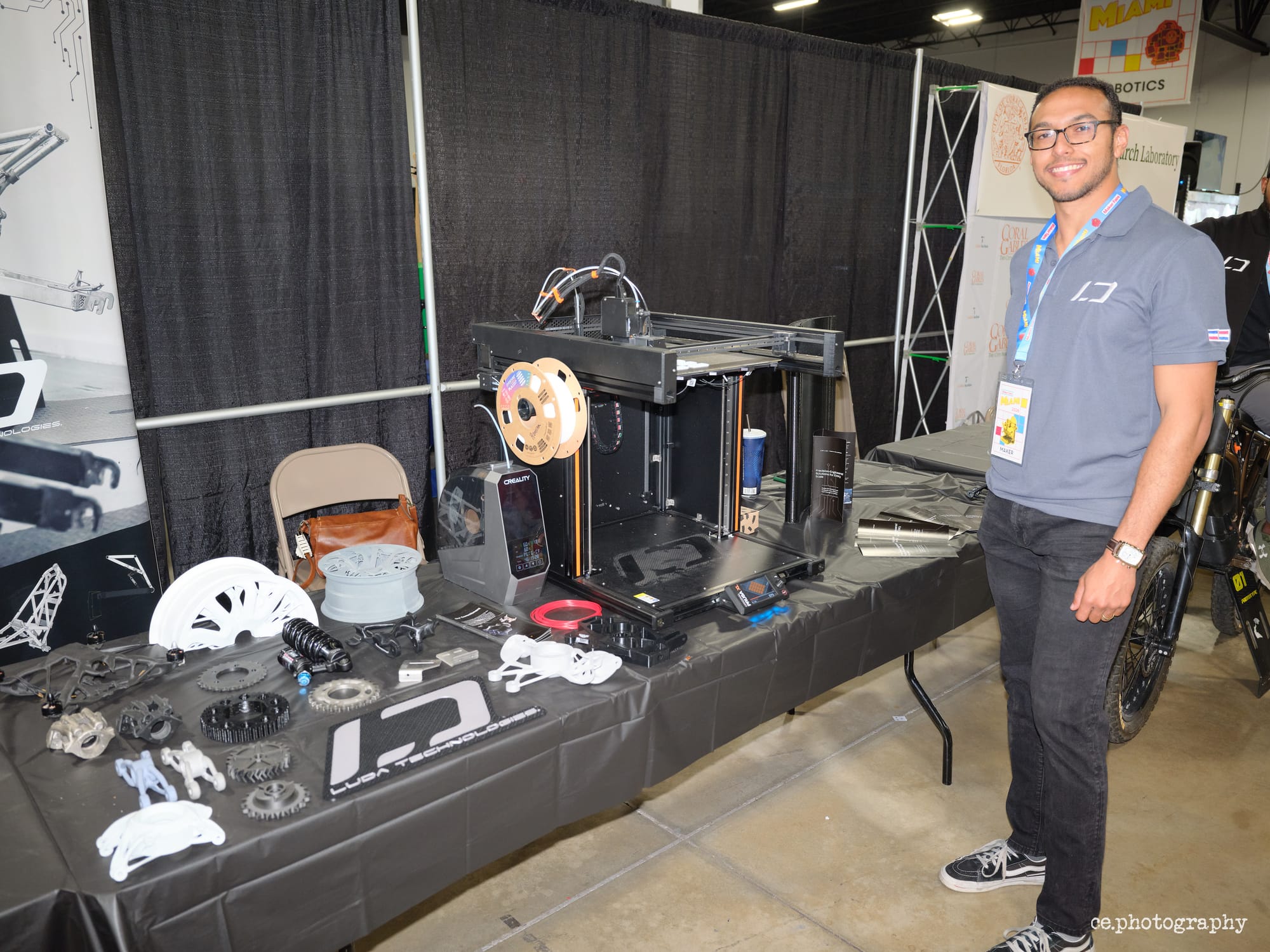





Maker Faire Miami 2026